
By SD24 News
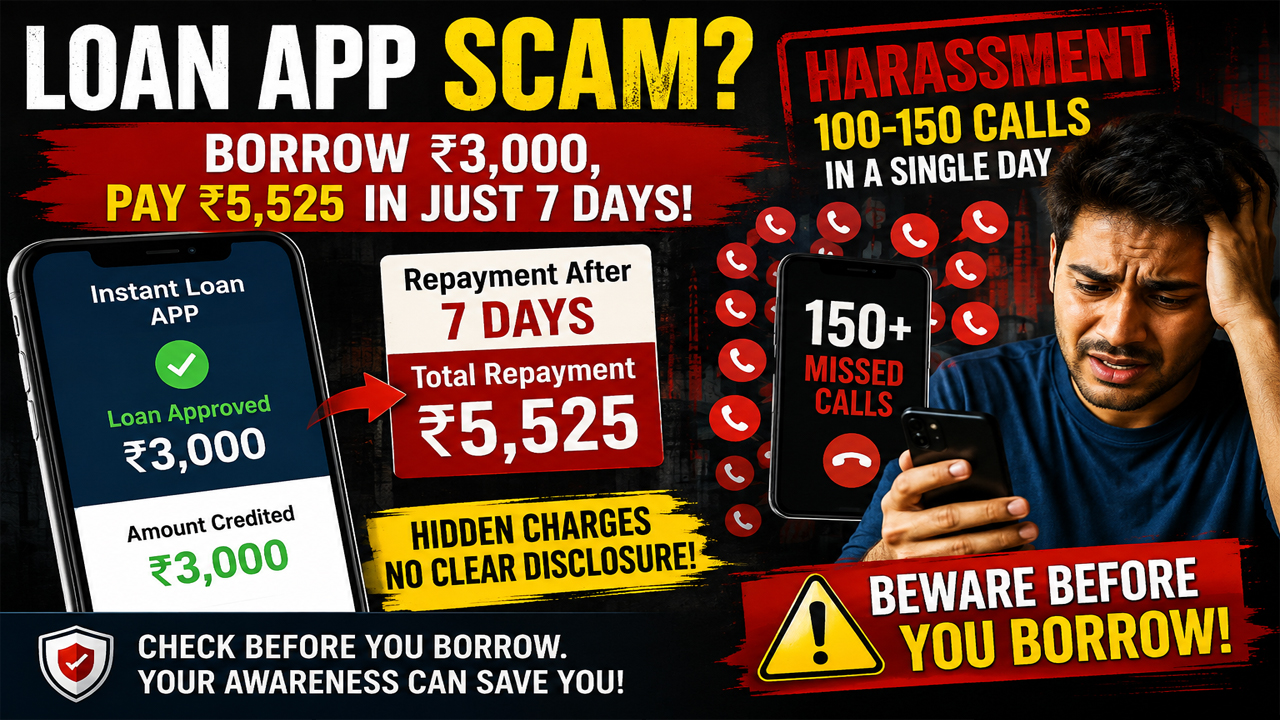
A growing number of digital loan apps are once again under scrutiny for allegedly trapping borrowers in a cycle of fear and harassment. One such app Rishfin is reportedly offering loans of just ₹3,000, but demanding a repayment of ₹5,525 within only seven days—an amount that effectively translates into an extremely high borrowing cost.
According to borrowers, the app does not clearly disclose the actual repayment amount, interest rate, or other charges before the loan is accepted. Many users claim they realize the true cost only after the money has been credited to their account.
The situation becomes even more disturbing when the repayment date approaches. Victims allege that recovery agents begin an aggressive harassment campaign, making 100 to 150 phone calls in a single day. Borrowers say they receive repeated calls from multiple numbers, creating immense mental stress and pressure.
Some affected individuals have also claimed that they were threatened, humiliated, and pressured into making immediate payments. Consumer rights advocates warn that such practices may violate fair lending principles and, depending on the facts, could also raise concerns under Indian consumer protection and data privacy laws.
Financial experts advise borrowers to carefully read all loan terms before accepting any digital loan. They recommend avoiding apps that fail to transparently disclose the total repayment amount, interest rate, processing fees, and repayment schedule.
Authorities have repeatedly cautioned the public to borrow only from RBI-regulated lenders or loan service providers associated with regulated entities and to immediately report any harassment, intimidation, or illegal recovery practices to the appropriate authorities.

Public Advisory:
Never take a loan without reading the complete repayment terms.
Verify whether the lender is regulated before borrowing.
Keep screenshots and transaction records as evidence.
If you face abusive recovery tactics or excessive harassment, report the matter to the police, cybercrime authorities, and the relevant financial regulators.